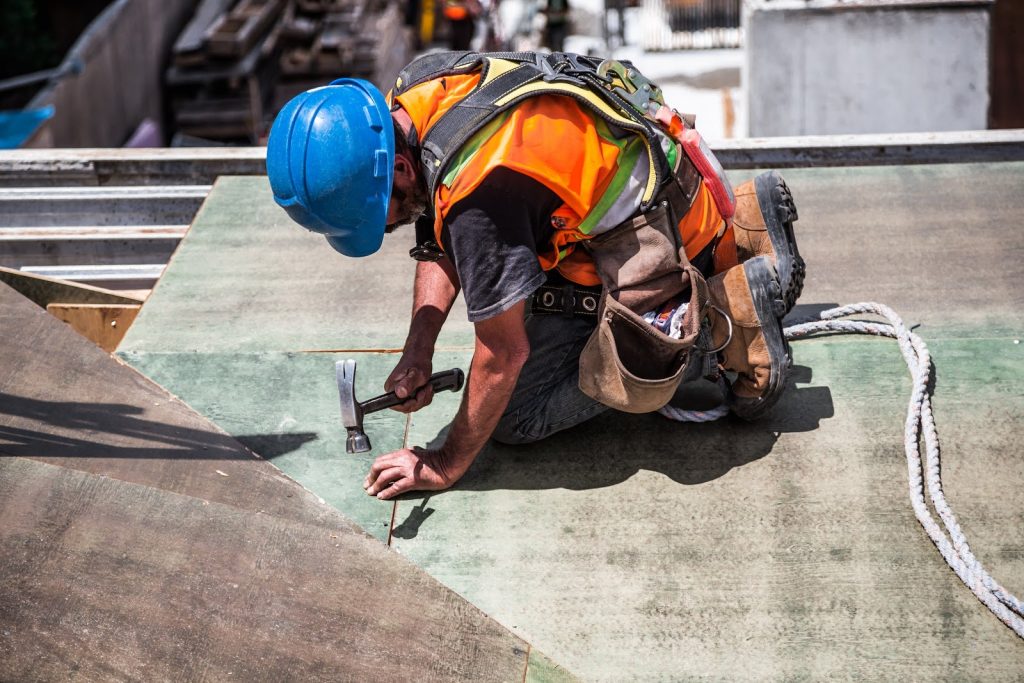
Is your career putting you at risk for degenerative disc disease? There are several professions that increase back pain risk. Each year more than one million back injuries occur in the workplace.
Whether you already have a career, are thinking of changing your career, or trying to decide your future career, this list below can help you understand the risk involved in developing back and neck pain.
Professions That Increase Back Pain
Drivers
When you think of drivers, you might only think of long-haul truck drivers, but driving a bus, taxi or short-haul truck drivers are also at risk of developing degenerative disc disease. If your job requires you to drive most of the day, you can make a few modifications for comfort and support. Place your seat at a 100-degree angle to avoid slouching and sit far enough away from the steering wheel so that your knees and elbows are just slightly bent. You can also place a rolled-up towel or pillow at the small of your back for additional support.
There are plenty of professions that increase back pain, but doing what you can to minimize your risk will go a long way.

Construction Workers
Construction work can put some significant strain on your body. The job requires lifting and twisting at the same time, bending for long periods of time, heavy lifting, and whole-body vibration, all of which are actions known to cause degenerative disc disease. All of these put a serious strain on your body. If you are in the construction field, ask for help when necessary to avoid placing unnecessary stress on your back. For example, if you need to lift something heavier than 50 pounds, ask for help.
Medical Providers
Medical Providers such as nurses, doctors, dentists, and paramedics have a high-stress profession, and they are also on their feet a majority of the time. In addition, if you are a medical provider you will likely find that you will be lifting and moving patients and heavy medical equipment that can cause strain on your back. Some facilities will have specially trained lifting teams or only allow mechanical lifting devices, helping alleviate back pain and injury. You can also expect to be bending while assisting with medical procedures. If you have the authority or are able to make suggestions, you should help with implementing measures that can help make positive changes in your organization. Ensure that the equipment available is appropriate for the staff and the necessary tasks they need to perform. The teams should also be specially trained for the various duties they perform. We also suggest that during your breaks you should do some gentle spine stretches <link to exercise blog> to strengthen and prepare your back for stress.
Office Workers
Sitting at a desk for long periods of time can wreak havoc on your posture and lead to feeling neck and back pain by the end of the day. Although you aren’t bending and lifting as some other jobs require, you are still at risk of developing degenerative disc disease. If you can take a short period each hour to walk around and stretch, this can help decrease your risk of developing degenerative disc disease or other back problems. You may also want to consider getting a stand-up desk which is becoming more popular and helps vary your position throughout the day.

Manual Laborers
When you think of manual labor, it’s no surprise that it causes back strain and pain. Anyone who does manual labor will perform duties that require heavy lifting, bending, twisting, repetitive tasks, and using power tools that can lead to pain from degenerative disc disease. If you work as a manual laborer, make sure you wear supportive shoes and check with your doctor to see if a back brace should be worn as a preventative measure.
Warehouse Workers
You can expect to spend a large portion of your day pushing, pulling, and lifting if you are a warehouse worker. Unfortunately, twisting or bending while lifting heavy objects is a leading cause of spinal disc damage, which can lead to degenerative disc disease. Although the job is physically demanding, ask for help when necessary. If you need to pick up something heavy, try lifting the corner first before you attempt to lift it on your own. You may also want to consider wearing a lumbar support brace while working. Implementing a regimen of core muscle strengthening exercise in your workouts will also help create support for your back, making back pain less likely. Using correct posture and lifting techniques at all times will also be very important in preventing the development of degenerative disc disease.
Motherhood and Day Care
From childbearing to breastfeeding, carrying your baby, picking up your child, and carrying a diaper bag, motherhood can take a toll on your spine health. Consider choosing a non-traditional diaper bag like a backpack instead of a bag with a single shoulder strap. When it comes time to pick up a child, always use proper lifting technique, bending at your knees and lifting with your leg muscles rather than your back.
Professional Athlete
Whether you’re a football player, basketball player, or golfer, nearly any sport can put you at risk for back and neck injuries. Those who are older or have a family history of degenerative disc disease have an increased risk of developing this condition. As a professional athlete, it’s important to stay in shape and healthy year-round to help avoid injury during game time.

Other “At Risk” Professions
- Airline crew (pilots, baggage handlers)
- Assembly line workers
- Bakers
- Cable and telephone line installers
- Carpenters, electricians, plumbers
- Carpet installers and cleaners
- Farmers (agricultural, dairy)
- Firefighters and police
- Janitors
- Landscapers and Gardeners
- Mechanics
- Store Checkout Personnel
As you can see, there are many professions that increase back pain, and it’s not like you can simply quit your job. Fortunately, keeping proper posture, getting help when you need it, and wearing safety gear can minimize your risk. If you’re currently living with back pain, take a look at our other articles for tips on managing your back or neck pain.
